Summary
Many Australians avoid the dentist because of dental anxiety. It is a common psychological barrier that keeps Australians from seeking essential oral healthcare procedures. When left untreated, it can lead to worsening dental issues. However, modern clinics now offer pain-free dentistry with gentle techniques and a calming environment to ease nervous patients.
–
Have you ever wondered why your heart races at the thought of sitting in a dentist’s chair? Or do you find yourself wincing and worrying at the sound of a drill? This is dental anxiety, it’s real, and you’re not alone.
According to the latest data, 16% of Australian adults and 10% of children suffer from dental anxiety [1], and this behaviour is negatively impacting oral health. They avoid seeing the dentist for regular assessments, eventually requiring more complex, emergency procedures.
Let us dive deeper into dental anxiety, explore the reasons why people have this behaviour and why this avoidance turns into a vicious cycle, worsening the fear, magnifying the costs.
These topics are also part of Episode 11 of the Mouth Off Dental Podcast (Fearing The Cure: “Why Dental Anxiety Runs Deeper Than We Think”). Hosted by Elias Sara, head prosthetist and dental technician at Aesthetic Dental Clinic, this episode explores dental anxiety and how compassionate care can help patients feel more comfortable and confident.
The Psychological Roots of Dental Fear
Dental anxiety is a normal psychological response; you feel anxious every time you think of visiting the dentist. It should never be considered a personal failing or a sign of weakness. Experts say that past negative experiences, family history, and the feeling of losing control lead to dental fear [2]. Let us analyse these one by one.
Traumatic Childhood Experiences
You may vividly remember a deeply upsetting experience at the dentist back when you were still little, and this continues to haunt you to this day. The cold office, the mystery man behind the mask, or the smell of antiseptic, all these could linger through your thoughts, triggering anxiety.
Part of the reason many people carry these memories so strongly is the way healthcare was practised. During the 1970s, medical practitioners had very little training in communication, with appointments focused solely on physical examinations and resolving issues [3].
Fear of Needles
Dental needles seem to be larger and scarier than regular syringes because they have to go deeper into the mouth to reach the arteries. In some cases, dentists may need to adjust the anaesthesia if the area is not fully numb, which may require an additional injection. Many develop dental anxiety after experiencing a painful or uncomfortable injection during a procedure.
Fear of Pain
Dental procedures often involve some pain, and recovery can be painful as well. Those who are highly sensitive to pain may feel more anxious or uncomfortable during their treatment.
Loss of Control
Once you’re seated with your mouth open and dental instruments moving back and forth, it’s easy to feel you don’t have any control over the situation, which can make you anxious and uncomfortable. And being under the influence of the anaesthetic, causing you to pass out or feel numb in the mouth, is another fear related to losing control.
Embarrassment
Sometimes it’s the thought of exposing yourself, cavities, gum problems, bad breath, and all, to someone you hardly know that could be enough to cause anxiety. We are used to hiding our imperfections, and a trip to the dentist exposes and even magnifies these.
The Vicious Cycle: Why Avoiding the Dentist Costs More
Choosing not to go to the dentist for a check-up may seem like a simple decision, but as your condition worsens and requires more complex treatments, you may eventually need to come in for an assessment and a costly emergency procedure. It’s a vicious cycle that goes this way:
Patient Feels Anxious
The patient cancels routine cleaning and checks because of dental anxiety until they experience a minor toothache. They take OTC pain relievers or use home remedies to ease the pain, still avoiding a dental visit.
Worsening Condition
Eventually, remedies fail to control a worsening dental issue, and the patient has no choice but to visit the dentist. Because their condition has deteriorated, they need to undergo a more complex and costly emergency procedure.
Reinforced Fear
A complex dental procedure means more time in the chair, additional injections, and a longer recovery. All these can further intensify the patient’s anxiety, reinforcing their fear of future visits.
The key to minimising both the pain and cost of dental treatments is to visit the dentist for thorough checks and professional cleanings. However, this could be an issue, especially for those with dental anxiety.
The Camden Clinic Difference: Pain-Free Dentistry
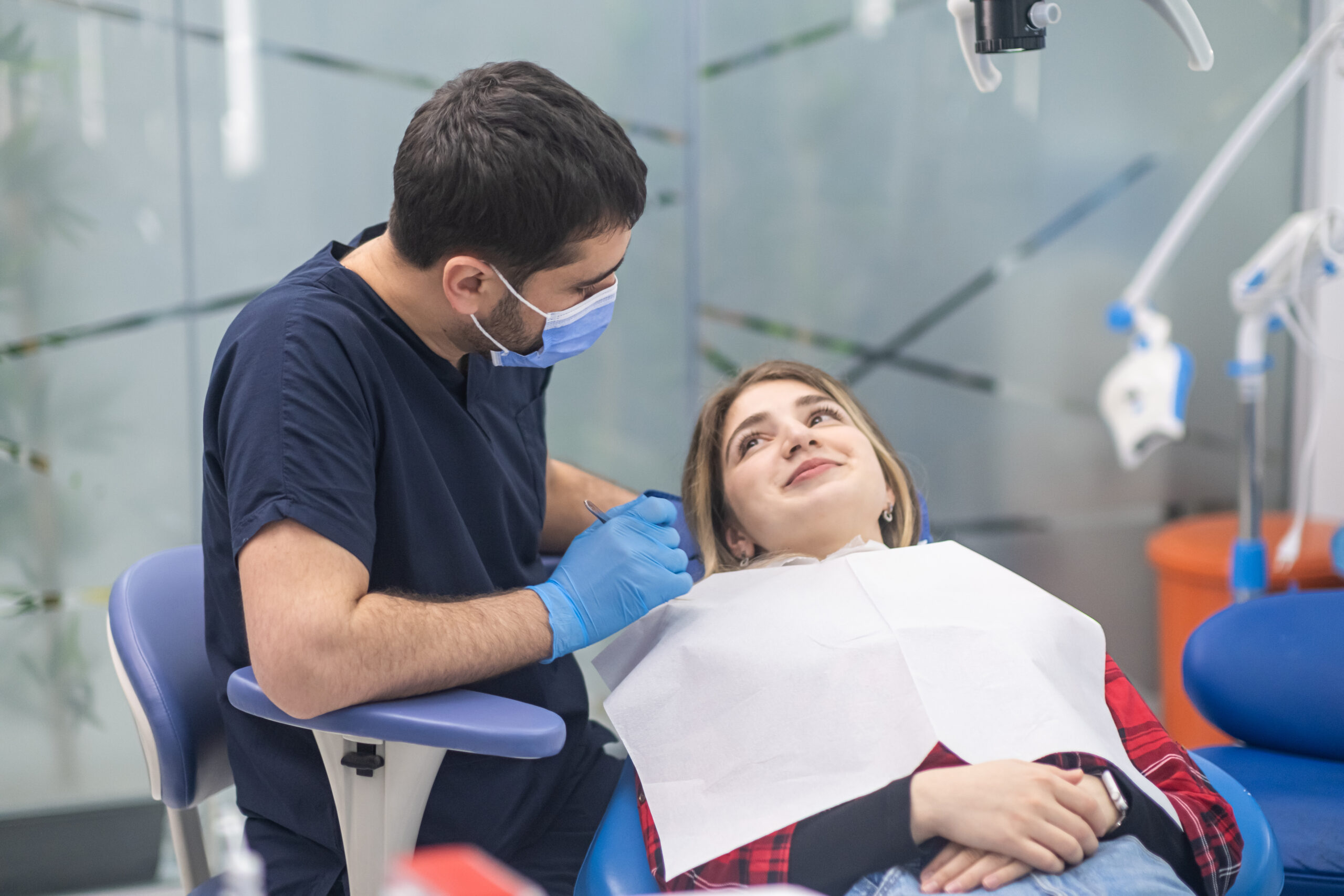
Modern dental practices offer practical solutions to people with dental anxiety. At Elias Sara’s Camden clinic, we always put our patients first, ensuring they feel comfortable and safe throughout their treatments.
Our clinic is a “Judgement-Free Zone,” no one feels criticised, lectured, or shamed for feeling anxious or worried, no matter how long it has been since their last dental check-up.
The Gentle Approach
Our Camden team is specifically trained to comfort and calm nervous patients with our gentle dental check-ups. We also ensure that the clinic environment is calming and modern, removing the anxiety that often comes when you first step into a traditional dentist’s office.
Patient Control
We establish control signals so patients can tell us when to stop if they feel increasing anxiety. For instance, we establish a “stop signal” by raising a hand. This simple strategy helps patients feel in control of the procedure.
Pain-Free Techniques
Modern dentistry has advanced significantly, helping patients with dental anxiety receive the treatment they need. Even a simple scale-and-clean procedure can now be performed completely pain-free with modern numbing strategies and, of course, the gentle touch of a capable and experienced dentist.
Frequently Asked Questions
Why do I have such severe dental anxiety?
Dental anxiety comes from a negative past experience, fear of pain, or feeling vulnerable while in the dental chair. It is a common psychological response that modern dentists are specifically trained to handle.
How do you treat a nervous dental patient?
At our local dentist, Camden clinic, we treat nervous patients using our judgment-free approach. We explain the process step by step, work at their pace, and establish stop signals to ensure the patient feels completely in control of the procedure.
Is pain-free dentistry actually possible?
Yes, pain-free dentistry is possible with topical numbing agents and advanced local anaesthetics.
What should I do if I am too scared to book a dental check-up?
We encourage you to call our clinic to chat with our reception staff. Tell us if you are an anxious patient so we can schedule a brief, no-pressure consultation to talk about your options.
Tune In & Take Control of Your Smile
Understand your fears by taking a psychological deep dive in Episode 11 of the Mouth Off Dental Podcast. Here, you’ll learn why you avoid the dentist and how you can control your anxiety to improve your oral health.
References
[1] Adelaide University – Australian Research Centre for Population Oral Health
[2] Cleveland Clinic – Dentophobia (Fear of Dentists)
[3] American Orthodontic Society – 4 Ways the Patient-Doctor Paradigm Has Changed Since the 80s